
Customs, Imports and Exports
How do I challenge a Zimbabwe customs seizure?
Follow the Zimbabwe customs seizure appeal process step by step, from case classification and evidence to submission, checks and proof of completion.
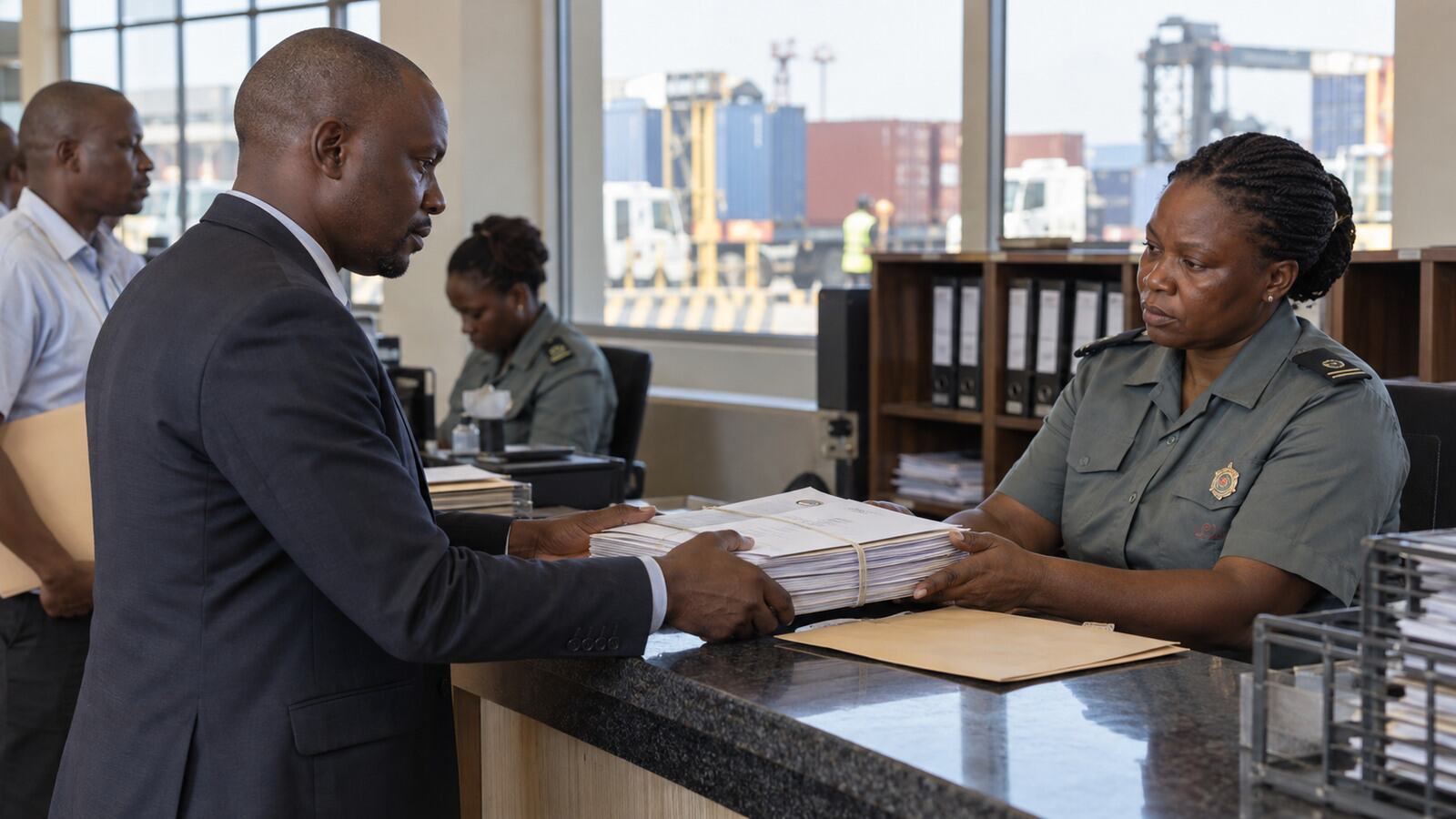
The key procedural distinction is this: A customs-seizure challenge should answer the written grounds, identify ownership and explain why release, restoration or another remedy is legally justified. The practical objective of the customs seizure appeal process is to reach a traceable decision from ZIMRA Customs and Excise and any permit-issuing authority for the goods, not merely to complete a form or make a payment. Within the customs seizure appeal case, the route below keeps the applicant, evidence and requested outcome aligned.
What this service actually decides
Before starting the customs seizure appeal process, identify the decision or transaction, review route, deadline and remedy sought in customs seizure appeal. For customs seizure appeal, apply this governing rule: Customs clearance depends on classification, customs value, origin, importer identity and any restricted-goods permit; an invoice alone does not decide liability. For this customs seizure appeal procedure, this matters here because the claimant misses the stated review route or cannot reconcile the goods with the declaration and ownership trail.
If this applies to your situation, read our guide on challenge a Zimbabwe customs seizure.
Match each record to a fact
Prepare a compact working pack. For this customs seizure appeal procedure, the most important records are the seizure or detention notice and date received, ownership, import, valuation, permit and payment evidence, and the written representation or appeal and proof of timely delivery. Within the customs seizure appeal case, add the following supporting items where they apply:
- the importer or exporter's TIN and identity or entity records
- the commercial invoice, transport document and packing or vehicle particulars
- the bill of entry, assessment, customs receipt and release record
- the decision, charge, transaction or notice being challenged
- a dated chronology supported by receipts, messages and prior correspondence
In the customs seizure appeal workflow, check spelling, dates, account or registration numbers and physical addresses across the pack. Any correction to the customs seizure appeal record should be supported by the source that created the new fact, not handwritten over the old evidence.
Move through the official route
- Secure the reference, written reason and complete record for the customs seizure appeal decision or transaction being challenged.
- Check the customs seizure appeal review route and deadline before continuing informal negotiations.
- Arrange the seizure or detention notice and date received and ownership, import, valuation, permit and payment evidence so that the same names, dates and identifiers appear throughout the customs seizure appeal file.
- Lodge the request through the customs port, inland clearance station or electronic customs channel handling the consignment, obtain a receipt or acknowledgement and record the case number.
- Answer only the specific verification or inspection question raised by ZIMRA Customs and Excise and any permit-issuing authority for the goods, keeping proof of every additional item supplied.
- Read the issued decision or record against the original request for customs seizure appeal before leaving the counter or closing the portal session.
Check the outcome
A decision on customs seizure appeal should provide a written response, correction, refund, review outcome or clear next remedy. The customs seizure appeal result should identify the applicant or case, the decision, its effective date and any conditions or follow-up action. If that result is provisional, a customs seizure appeal receipt, reference or inspection note is not a substitute for the final outcome requested.
Use the customs supervisor, valuation or classification review, seizure-notice process or statutory objection route only after asking the receiving office to state the current status and the next responsible stage.
Official sources
Before paying or travelling, confirm the current form, fee, payment method and service-point arrangements with ZIMRA Customs and Excise and any permit-issuing authority for the goods.
Frequently asked questions
What documents and requirements are needed for customs seizure appeal in Zimbabwe?
A strong customs seizure appeal file is evidence-led: every document should prove identity, eligibility, authority, the underlying event or the requested outcome. The evidence checklist starts from this rule: A customs-seizure challenge should answer the written grounds, identify ownership and explain why release, restoration or another remedy is legally justified. When documenting customs seizure appeal, the checklist below separates core records from case-specific additions so irrelevant paperwork does not hide a missing requirement.
Read the full guideWhere can I challenge a Zimbabwe customs seizure, and can it be done online?
Start the customs seizure appeal process with the customs port, inland clearance station or electronic customs channel handling the consignment. The substantive decision remains with ZIMRA Customs and Excise and any permit-issuing authority for the goods, even when another service point handles intake, payment or verification. The access route makes sense only after one distinction: A customs-seizure challenge should answer the written grounds, identify ownership and explain why release, restoration or another remedy is legally justified.
Read the full guideWhat can delay or cause rejection of customs seizure appeal in Zimbabwe?
A customs seizure appeal delay means the file has not reached a final decision; a refusal means an adverse decision has been made. Those situations need different responses. Troubleshooting starts with this distinction: A customs-seizure challenge should answer the written grounds, identify ownership and explain why release, restoration or another remedy is legally justified. During recovery of customs seizure appeal, start by obtaining the exact status and reason instead of paying again or opening duplicate files.
Read the full guideContinue reading
- What documents and requirements are needed for customs seizure appeal in Zimbabwe?
- Where can I challenge a Zimbabwe customs seizure, and can it be done online?
- What can delay or cause rejection of customs seizure appeal in Zimbabwe?
- How do I clear an imported vehicle through Zimbabwe customs?
- How do I claim a traveller's rebate at a Zimbabwe border?
- How do I register as a commercial importer in Zimbabwe?
Still stuck with this process?
Search the rest of our customs, imports and exports guides.