
Land, Housing and Construction
What documents and requirements are needed for change of land use in Zimbabwe?
Use this Zimbabwe change of land use checklist to prepare consistent identity, eligibility, authority and case-specific evidence before submission.
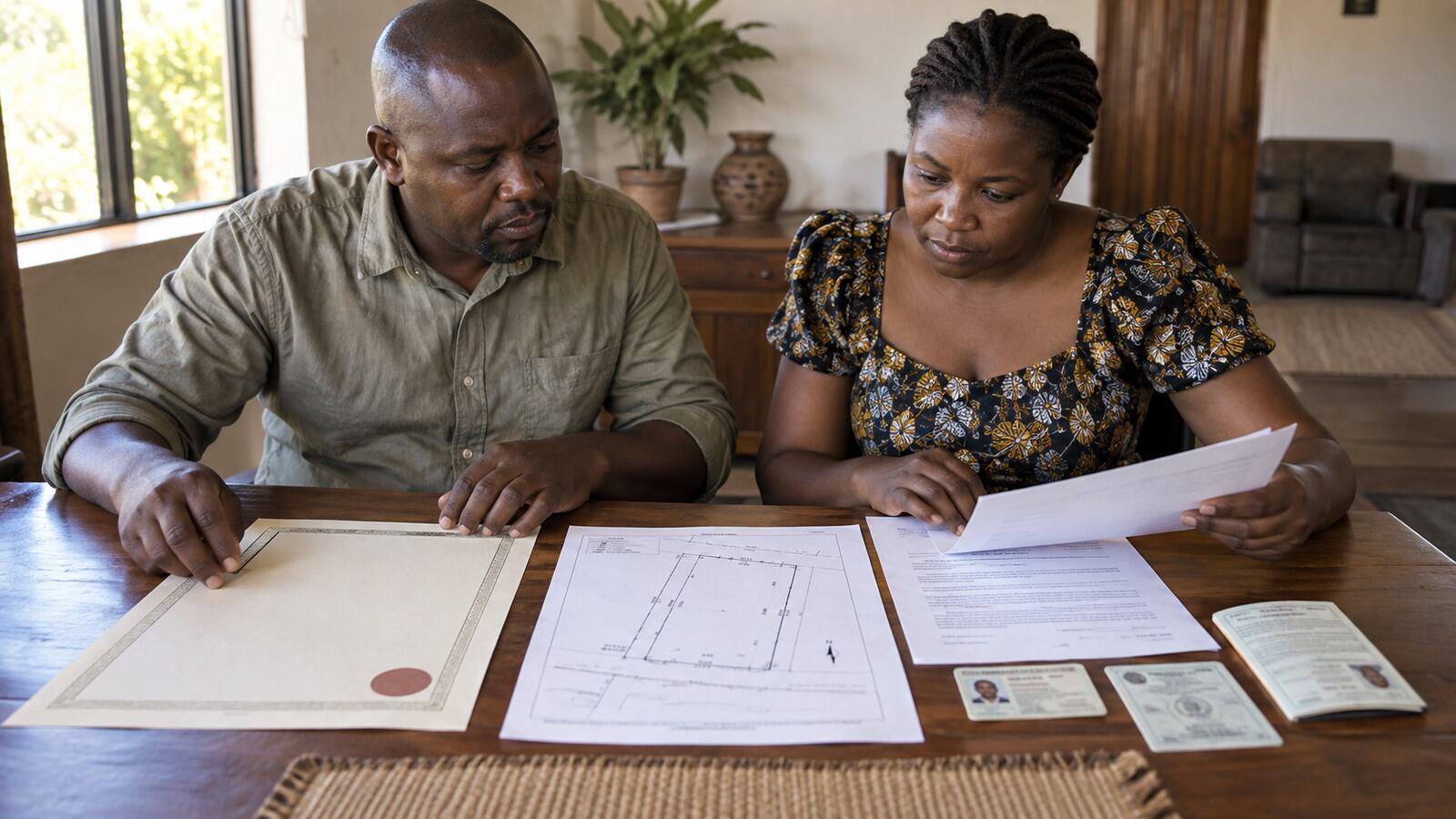
A strong change of land use file is evidence-led: every document should prove identity, eligibility, authority, the underlying event or the requested outcome. The evidence checklist starts from this rule: A change of land use assesses the proposed use, planning context, services and effects on neighbours and infrastructure. When documenting change of land use, the checklist below separates core records from case-specific additions so irrelevant paperwork does not hide a missing requirement.
Prepare a file that can be checked
For this change of land use requirement, prepare these records and take originals where the current instructions require inspection:
If this applies to your situation, read our guide on can delay or cause rejection of change of land use in Zimbabwe.
- the title and current approved use
- the planning motivation, site plan and proposed operations
- notices, neighbour representations, traffic, environmental or service reports requested
- the applicant's ID or entity authority and contact details
- the stand number, survey or allocation record and proof of lawful interest
- the plan, application, inspection, invoice, receipt and written decision
- the existing certificate, account, licence or record to be amended
- the event and authority that justify the requested change
What each part must prove
The title and current approved use should establish the first factual link in the change of land use case. Read it alongside the planning motivation, site plan and proposed operations and confirm that both use the same names, dates, reference numbers and location. Use notices, neighbour representations, traffic, environmental or service reports requested as the case-specific proof that a general identity document cannot provide. Together, the change of land use records should connect the requester to the existing record and lawful basis for amendment.
Use the applicant's ID or entity authority and contact details to show who is applying; use the stand number, survey or allocation record and proof of lawful interest to connect that person to the relevant file; and keep the plan, application, inspection, invoice, receipt and written decision as the submission or transaction trail. When documenting change of land use, none should be assumed simply because the applicant is already known to another office.
Conditional and replacement evidence
The change of land use checklist should account for this rule: Allocation, lease, planning consent, building approval, inspection and occupation are separate milestones; payment for a stand or plan does not by itself create title or permission to occupy. For this change of land use requirement, if a record is missing, ask the local planning or housing authority and, for state or rural land, the competent central or district land authority which certified copy, verification, affidavit, court order, institutional letter or database extract is accepted for this service. When documenting change of land use, an explanation can support a replacement trail, but it cannot create an entitlement that never existed.
For this change of land use requirement, where a company, estate, guardian, employer or agent acts, include the document that gives that person authority. In the change of land use evidence pack, foreign-issued records may need the certification, authentication or translation specified by the receiving authority and intended use.
A submission-day audit
For the change of land use checklist, number the documents, label electronic files by what they prove and reopen every upload. Compare the form with the evidence one final time, especially where the business begins before consent or the application hides intensity, noise, parking, waste or traffic effects. Keep copies of anything retained, record the official payee and obtain an acknowledgement that names change of land use.
Official sources
Before paying or travelling, confirm the current form, fee, payment method and service-point arrangements with the local planning or housing authority and, for state or rural land, the competent central or district land authority.
Frequently asked questions
How do I apply for a change of land use in Zimbabwe?
The key procedural distinction is this: A change of land use assesses the proposed use, planning context, services and effects on neighbours and infrastructure. The practical objective of the change of land use process is to reach a traceable decision from the local planning or housing authority and, for state or rural land, the competent central or district land authority, not merely to complete a form or make a payment. As part of change of land use, the route below keeps the applicant, evidence and requested outcome aligned.
Read the full guideWhere can I apply for a change of land use in Zimbabwe, and can it be done online?
Start the change of land use process with the council planning, building-control or housing office, or the land office legally responsible for the parcel. The substantive decision remains with the local planning or housing authority and, for state or rural land, the competent central or district land authority, even when another service point handles intake, payment or verification. The access route makes sense only after one distinction: A change of land use assesses the proposed use, planning context, services and effects on neighbours and infrastructure.
Read the full guideWhat can delay or cause rejection of change of land use in Zimbabwe?
A change of land use delay means the file has not reached a final decision; a refusal means an adverse decision has been made. Those situations need different responses. Troubleshooting starts with this distinction: A change of land use assesses the proposed use, planning context, services and effects on neighbours and infrastructure. At the change of land use review stage, start by obtaining the exact status and reason instead of paying again or opening duplicate files.
Read the full guideContinue reading
- How do I apply for a change of land use in Zimbabwe?
- Where can I apply for a change of land use in Zimbabwe, and can it be done online?
- What can delay or cause rejection of change of land use in Zimbabwe?
- How do I apply for a residential stand in Zimbabwe?
- How do I obtain a land subdivision permit in Zimbabwe?
- How do I regularise an unapproved structure in Zimbabwe?
Still stuck with this process?
Search the rest of our land, housing and construction guides.