
Roads, Tolls and Public Transport
Where can I report a dangerous road defect in Zimbabwe, and can it be done online?
Find the official Zimbabwe channel for dangerous road defect report, what can be done online and which verification stages still require attendance.
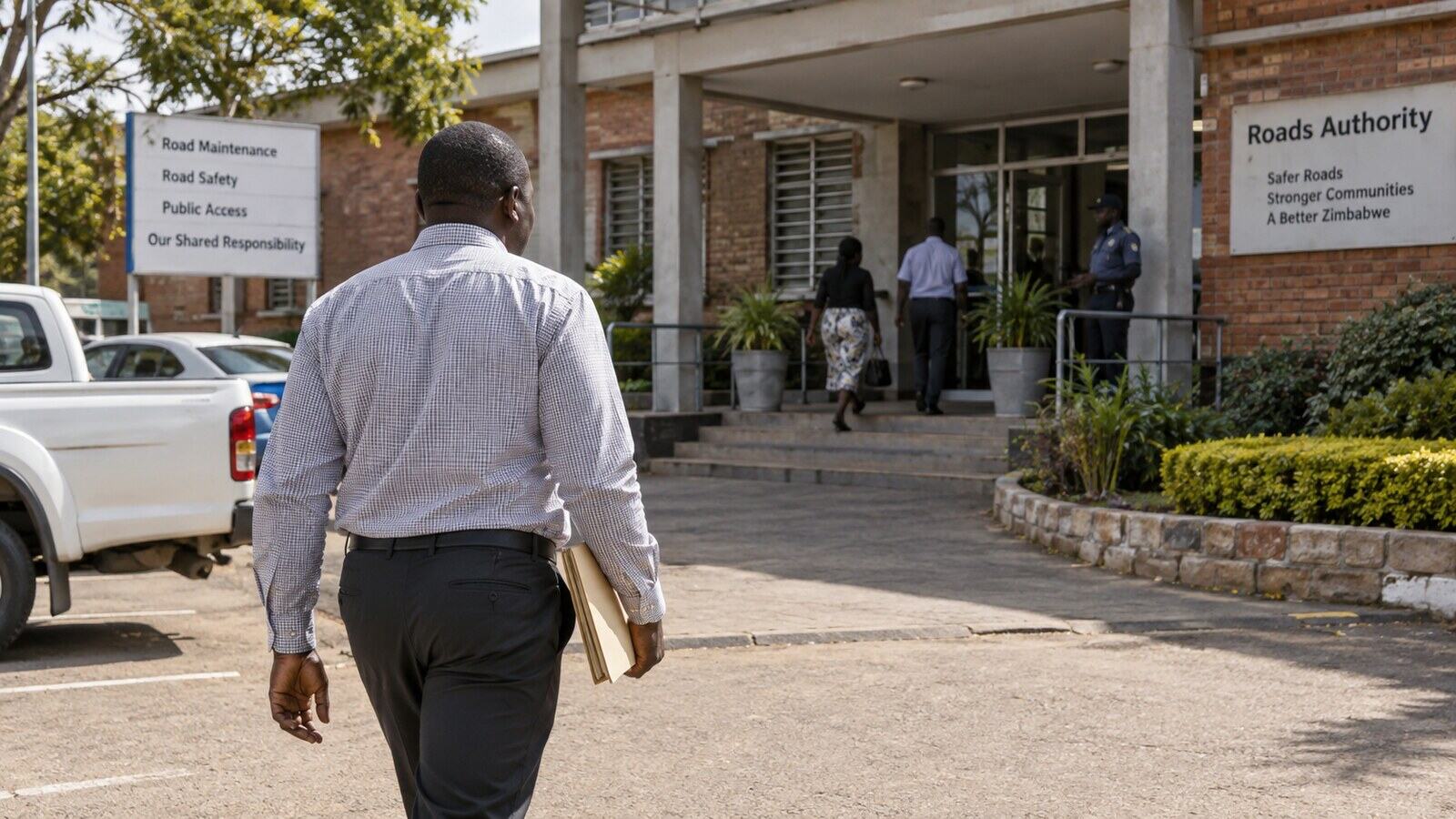
The starting point for dangerous road defect report is the roads, engineering or emergency contact of the authority responsible for the exact location, with ZRP or emergency services alerted where immediate danger exists. For this dangerous road defect report transaction, the responsible road authority: the Department of Roads for regional, primary and secondary roads, the rural district council for many tertiary roads, or the relevant urban local authority for municipal roads remains responsible for the decision or record even when a portal, bank, local office or authorised representative handles one part.
Find the correct service point
Make the scene safe without entering traffic, capture location and direction, identify the road class or local authority, then lodge the report and keep its reference; notify emergency services immediately for a life-threatening hazard.
Before travelling, ask the chosen service point whether it can receive this exact dangerous road defect report request, whether it only gives information, and where the final decision or collection takes place.
Use online tools safely
Councils and road agencies may offer email, web, social or telephone reporting, but Zimbabwe has no single portal guaranteed to route every road. Verify the receiving account and request acknowledgement.
If this applies to your situation, read our guide on can delay or cause rejection of road defect report in Zimbabwe.
Complete the physical stage
The reporter normally does not need to visit if the authority can identify the site, but an officer may call for directions or a witness statement after damage or injury. Never stand in a live lane merely to take a photograph.
Take the dangerous road defect report reference and appointment message to any physical stage. If dangerous road defect report originals will be retained rather than merely inspected, obtain an itemised acknowledgement and confirm how they will be returned.
Keep a traceable record
A genuine public hazard report should not require payment to an individual. If an official damage-claim or records process has a fee, obtain the authority's written instruction and receipt.
Keep a simple dangerous road defect report timeline of submission, questions, verification and collection, especially when one office receives the file and another decides it.
When flooding hides a wash-away or pothole, report the water and the suspected defect. Never walk into moving or contaminated water to measure it.
What the dangerous road defect report portal cannot decide
A WhatsApp or social post can alert the public, but send the same facts to the authority's verified channel and ask for a case number. Avoid publishing injured people's faces, number plates or precise home details unnecessarily.
A useful final test for dangerous road defect report
Read a description of depth, width, flooding, debris, missing signs or other danger and the vehicles affected alongside the road name or number, direction of travel and nearest kilometre marker, junction, property or landmark. In this dangerous road defect report service-channel decision, they should describe the same person, transaction and time period; if they do not, explain the difference with reliable evidence before submission.
Prevent an avoidable dangerous road defect report referral
One realistic warning sign is that the defect is on private, concession or construction-controlled access and responsibility is not established. The practical response is to consolidate updates under one formal reference rather than opening unlinked complaints.
Official sources
Before paying or travelling, confirm the latest fee, accepted payment method and office arrangements with the road, transport, police, insurance or local authority named in the guide.
Frequently asked questions
How do I report a dangerous road defect in Zimbabwe?
Reporting a pothole, wash-away, collapsed bridge, missing sign, open drain or obstruction is most effective when the correct road authority receives a precise location, hazard description and evidence it can dispatch to a team. For this procedure, make the scene safe without entering traffic, capture location and direction, identify the road class or local authority, then lodge the report and keep its reference; notify emergency services immediately for a life-threatening hazard.
Read the full guideWhat documents and requirements are needed for road defect report in Zimbabwe?
A usable document pack for dangerous road defect report must connect the applicant and the qualifying facts to a traceable hazard notice delivered to the road authority responsible for inspection, warning or repair. Each dangerous road defect report item should prove identity, eligibility, authority, payment or a case-specific circumstance.
Read the full guideWhat can delay or cause rejection of road defect report in Zimbabwe?
A delay in dangerous road defect report means the file has not reached a final result; a rejection means the responsible road authority: the Department of Roads for regional, primary and secondary roads, the rural district council for many tertiary roads, or the relevant urban local authority for municipal roads has made an adverse decision. Establish which one occurred before paying again. The correct dangerous road defect report remedy depends on the actual issue—identity, eligibility, evidence, payment, verification or the category chosen.
Read the full guideContinue reading
- How do I report a dangerous road defect in Zimbabwe?
- What documents and requirements are needed for road defect report in Zimbabwe?
- What can delay or cause rejection of road defect report in Zimbabwe?
- How do I pay Zimbabwe toll fees?
- How do I obtain route authority for public transport in Zimbabwe?
- How do I make a road accident compensation claim in Zimbabwe?
Still stuck with this process?
Search the rest of our roads, tolls and public transport guides.