
Water, Sewerage and Municipal Services
What can delay or cause rejection of sewer blockage in Zimbabwe?
Diagnose Zimbabwe sewer blockage delays or refusals, correct the stated defect and escalate a traceable case through the responsible authority.
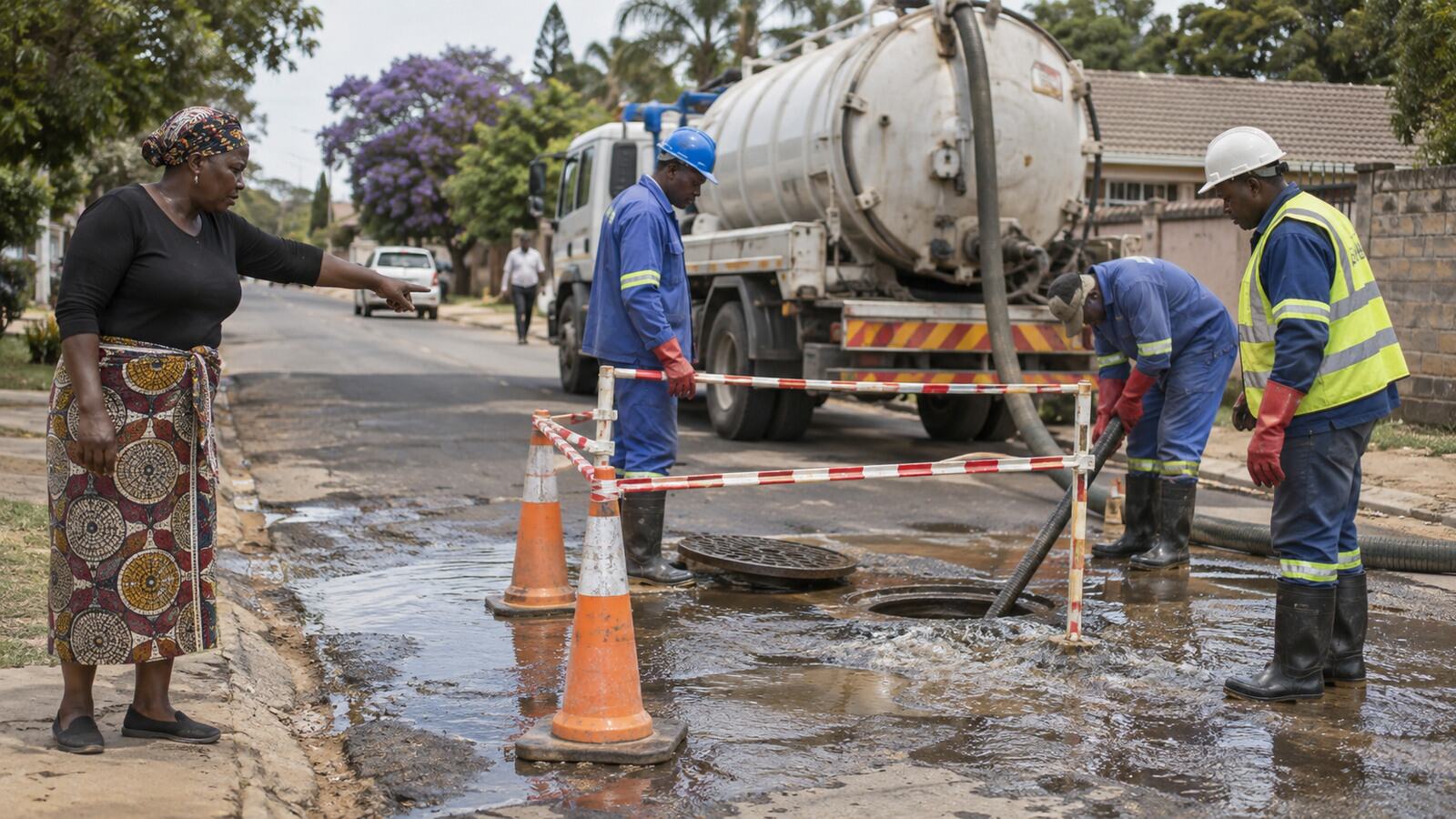
A sewer blockage delay means the file has not reached a final decision; a refusal means an adverse decision has been made. Those situations need different responses. Troubleshooting starts with this distinction: A sewer-blockage report should distinguish one property's drain from a municipal sewer affecting several stands and prioritise exposure to sewage. At the sewer blockage review stage, start by obtaining the exact status and reason instead of paying again or opening duplicate files.
Where this case commonly stops
The main failure points are:
If this applies to your situation, read our guide on sewer blockage in Zimbabwe.
- The report omits a safe location or repeated private blockages are referred to the council without checking the property line; the practical correction is to ask the urban or rural district council responsible for the property and service to state the missing fact or corrective route in writing
- The report concerning sewer blockage omits the exact location or current risk; the practical correction is to give the dispatcher a safe callback number, landmarks and an immediate hazard summary
- Important evidence was altered or a victim was put at further risk; the practical correction is to preserve what remains and let trained officers or responders control the scene
Diagnose before correcting
Reconstruct the sewer blockage timeline: when and where it was lodged, which category was chosen, what was paid, what reference was issued and what message came last. Compare the copy submitted for sewer blockage with the live checklist. During recovery of sewer blockage, a generic request for “more documents” should be converted into a specific missing fact, unreadable record or unresolved verification.
Pay particular attention where the report omits a safe location or repeated private blockages are referred to the council without checking the property line. For a stalled sewer blockage request, if the issue is a mismatch, identify which primary record is authoritative. When correcting the sewer blockage file, if eligibility itself is disputed, adding copies of the same papers will not resolve the legal or technical question.
Recovery sequence
- Retrieve the sewer blockage receipt, acknowledgement, portal message and every document supplied under the existing reference.
- Ask the urban or rural district council responsible for the property and service to classify the case as incomplete, under verification, referred, approved or refused and to identify the responsible stage.
- Match the stated problem against the address, nearest manhole and extent of overflow, affected properties, start time and weather context and the complaint number, prior blockages and any private-plumber findings rather than sending an unrelated bundle.
- Deliver the correction through the channel named for the existing sewer blockage case and keep proof of delivery.
- If the decision remains adverse, use the relevant departmental supervisor, municipal complaints office or written review procedure with a short chronology, the written reason and the remedy requested.
Escalate a traceable case
For a stalled sewer blockage request, a useful follow-up states the reference, submission date, office, current status, correction already supplied and the precise action requested. When correcting the sewer blockage file, attach only records that support those points. At the sewer blockage review stage, keep the tone factual and do not accuse an individual of misconduct unless there is evidence and an appropriate reporting route.
At the sewer blockage review stage, if a review period or safety issue is urgent, protect that position immediately while seeking qualified advice. When correcting the sewer blockage file, repeated visits without a written status can consume time without preserving the right to object, appeal or complain.
Official sources
Before paying or travelling, confirm the current form, fee, payment method and service-point arrangements with the urban or rural district council responsible for the property and service.
Frequently asked questions
How do I report a municipal sewer blockage in Zimbabwe?
The key procedural distinction is this: A sewer-blockage report should distinguish one property's drain from a municipal sewer affecting several stands and prioritise exposure to sewage. The practical objective of the sewer blockage process is to reach a traceable decision from the urban or rural district council responsible for the property and service, not merely to complete a form or make a payment. In the sewer blockage workflow, the route below keeps the applicant, evidence and requested outcome aligned.
Read the full guideWhat documents and requirements are needed for sewer blockage in Zimbabwe?
A strong sewer blockage file is evidence-led: every document should prove identity, eligibility, authority, the underlying event or the requested outcome. The evidence checklist starts from this rule: A sewer-blockage report should distinguish one property's drain from a municipal sewer affecting several stands and prioritise exposure to sewage. When documenting sewer blockage, the checklist below separates core records from case-specific additions so irrelevant paperwork does not hide a missing requirement.
Read the full guideWhere can I report a municipal sewer blockage in Zimbabwe, and can it be done online?
Start the sewer blockage process with the council's water, sewer, waste, rates or property-account office serving the address. The substantive decision remains with the urban or rural district council responsible for the property and service, even when another service point handles intake, payment or verification. The access route makes sense only after one distinction: A sewer-blockage report should distinguish one property's drain from a municipal sewer affecting several stands and prioritise exposure to sewage.
Read the full guideContinue reading
- How do I report a municipal sewer blockage in Zimbabwe?
- What documents and requirements are needed for sewer blockage in Zimbabwe?
- Where can I report a municipal sewer blockage in Zimbabwe, and can it be done online?
- How do I apply for a municipal water connection in Zimbabwe?
- How do I report a burst water pipe in Zimbabwe?
- How do I obtain a municipal rates clearance certificate in Zimbabwe?
Still stuck with this process?
Search the rest of our water, sewerage and municipal services guides.